

🍂 Patchouli Perfumes: The Complete Earthy-Wood Guide
Dark, earthy, and unmistakable — patchouli perfumes range from raw, mossy 1960s classics to polished, chocolate-toned modern chypres that anchor some of perfumery’s most iconic gourmands.
- Character: dark, earthy, sweet-woody, sometimes chocolate-like — the deepest and moodiest of the Woody notes.
- Patchoulol is the trace compound that drives the whole scent, even though it’s a minor part of the oil by volume.
- “Dirty” vs. “clean”: classic mossy natural oil vs. modern Clearwood/Karmawood-based radiant, chocolate-forward patchouli.
- Best worn: autumn and winter shine, though “clean” modern patchoulis wear well year-round.
- Editor’s top picks: Thierry Mugler Angel (genre-defining gourmand), Chanel Coco Mademoiselle (polished mainstream chypre), Bellavita Luxury G.O.A.T. (affordable everyday patchouli).
Understanding Patchouli Perfumes
If cedarwood is dry structure and sandalwood is creamy softness, patchouli perfumes bring the darkest, most earthbound register of the Woody family. Distilled from the dried, fermented leaves of Pogostemon cablin, patchouli oil carries a heavy, mossy, almost damp-forest-floor scent that can read as medicinal when raw, or richly chocolate-like once refined and aged.
Patchouli’s reputation has swung dramatically over the decades — from luxury textile trade good in the 19th century, to countercultural signature scent in the 1960s, to a core building block of some of the most acclaimed modern chypres and gourmands. Few notes have been reinvented as often, or as successfully.
Patchouli’s signature odor comes almost entirely from patchoulol (also called patchouli alcohol) — remarkable because it makes up only a small fraction of the oil’s total volume, yet dominates how the whole material smells. Aging plays a huge role: freshly distilled patchouli oil is sharp and camphoraceous, while oil rested for months or years mellows into a smoother, sweeter, more chocolate-toned material — prized by perfumers as “vintage” patchouli. In the 2000s, molecules like Clearwood and Karmawood gave perfumers a way to isolate patchouli’s radiant, woody-chocolate facet while stripping out the muddier, “dirty” mossiness — enabling the wearable, mainstream-friendly patchouli found in fragrances today.
| Patchouli Type | Character | Key Materials | Perfumery Role |
|---|---|---|---|
| “Dirty” Natural Patchouli | Heavy, mossy, musty, medicinal-sharp when unaged | Raw or aged patchouli oil (patchoulol) | Classic 1960s–70s style, vintage chypres |
| “Clean” Modern Patchouli | Radiant, woody-chocolate, refined | Clearwood, Karmawood (synthetic) | Contemporary mainstream and luxury fragrances |
Note: most modern patchouli-forward fragrances actually blend both — real patchouli oil for depth and authenticity, plus a synthetic “clean” molecule to keep the composition wearable and radiant.
Top Recommended Patchouli Perfumes
Verified, currently available recommendations spanning genre-defining gourmand, polished mainstream, and affordable everyday patchouli compositions:

Thierry Mugler Angel
Widely credited as the fragrance that invented the modern gourmand genre in 1992. Fruity citrus, melon, and plum open onto a dense base of praline, vanilla, and patchouli — sweet, dark, and completely unlike anything that came before it.
- Trailblazing, genre-defining gourmand patchouli
- Immense projection and legendary longevity
- Deeply nostalgic, devoted cult following
- Extremely polarizing — people love it or hate it
- Powdery-sweet profile not for minimalists
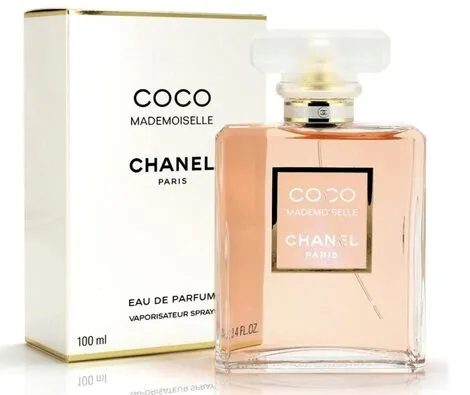
Chanel Coco Mademoiselle
A modern chypre built on orange, rose, and jasmine, resting on a refined patchouli-vetiver base with white musk. Patchouli here works quietly in the background, giving depth and warmth rather than dominating the composition.
- Elegant, refined, near-universally flattering
- Excellent versatility — office to evening
- Chanel’s consistent quality and reformulation care
- Extremely popular — “everyone owns it” risk
- Patchouli is polished and quiet, not a starring note
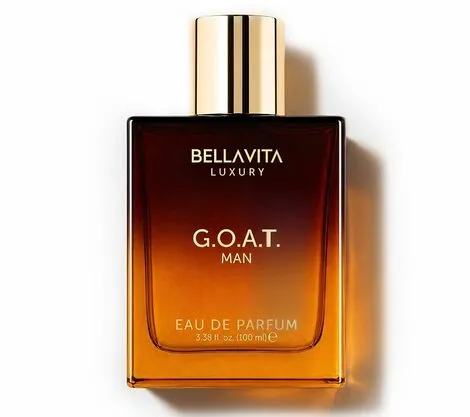
Bellavita Luxury G.O.A.T.
A genuinely affordable entry point into patchouli-forward fragrance. Bright bergamot and lavender open onto a warm, earthy patchouli base — a straightforward, wearable everyday composition rather than a heritage niche pour.
- Genuinely patchouli-forward at a rock-bottom price
- Easy, wearable daily structure — not overly heavy or “dirty”
- Strong, current sales volume and reliable availability
- Simpler three-note profile lacks the depth of a niche classic
- No heritage story or vintage cult-favorite pedigree
How to Wear & Layer Patchouli Perfumes
Seasonality & Occasion: Classic, heavier patchouli compositions come into their own in autumn and winter, where their weight and warmth feel purposeful rather than overwhelming. Modern “clean patchouli” fragrances, built on radiant molecules like Clearwood, wear comfortably in any season and are far more forgiving in warm weather or close-quarters settings.
Layering Pro-Tip: Patchouli’s natural sweetness makes it a strong partner for amber and vanilla-forward gourmands, deepening their warmth without adding extra sweetness of its own. For a drier, more grounded profile, layer a light patchouli spray under a vetiver-forward scent — the two notes share an earthy backbone and blend almost seamlessly.
Take our 60-second Fragrance Finder Quiz for a personalized recommendation tailored to your taste.
Take the Quiz →Explore our complete Woody Fragrances taxonomy hub or shop today’s top patchouli recommendations on Amazon.
Shop Patchouli Perfumes →Frequently Asked Questions
Patchouli perfumes smell dark, earthy, and sweet-woody, often with camphoraceous, mossy, or dried-leaf undertones. High-quality or aged patchouli oil can also reveal a subtle chocolate-like richness, while cheaper or unaged oil tends to smell sharper and more medicinal.
Patchouli oil traveled to the West on Indian textiles in the 19th century, and by the 1960s counterculture had adopted it, both as a scent statement and to mask other smells. That cultural association stuck, even though patchouli now anchors many refined, luxury fragrances.
“Dirty” patchouli refers to the classic, heavy, mossy, almost musty character of traditional natural patchouli oil. “Clean” patchouli uses modern molecules like Clearwood and Karmawood to isolate patchouli’s radiant woody-chocolate facet while stripping out the muddier, more medicinal notes.